
I Blamed My Age for the Fog and the Tiredness, but the Real Problem Was Sitting on My Kitchen Counter
Denise, 67, felt foggy and worn out every afternoon. It turned out her body had quietly stopped telling her when she was thirsty.
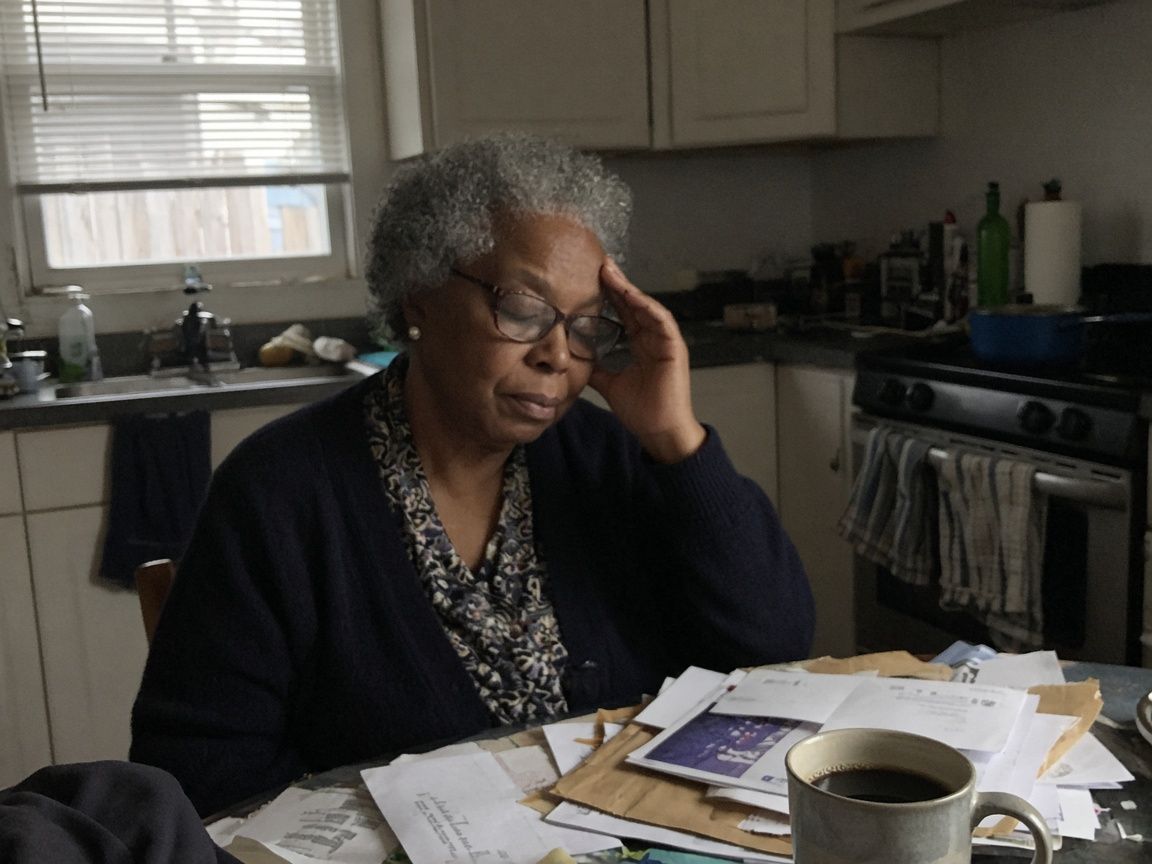
Around 2 o'clock every afternoon, my brain just switched off.
I would be sitting at the kitchen table, going through the mail, and suddenly I could not read the same line twice. My head felt heavy. A dull ache sat right behind my eyes.
My name is Denise. I am 67, a retired bank teller from Macon, Georgia. I have a big garden, a church choir I love, and four grandchildren who keep me busy.
For about a year, I thought I was just slowing down. I was wrong about the reason. And the answer was something I walked past every single day.
The afternoons were getting harder
It was not dramatic. That is what made it so easy to ignore.
I would wake up feeling fine. By late morning, I was a little tired. By mid-afternoon, I felt foggy, cranky and worn out. Sometimes I got a little dizzy when I stood up too fast from my chair.
I lost my train of thought at choir practice. I forgot my granddaughter's recital time, even though she had told me twice. I started taking naps I did not used to need.
My answer was more coffee. Two cups in the morning, one after lunch. Then I wondered why I was jittery and still tired.
I honestly thought, 'Well, Denise, this is 67.'
My daughter noticed what I missed
My daughter, Tanya, came to stay for a weekend. On Sunday evening, she said, 'Mama, I have not seen you drink a glass of water all weekend.'
I said that was silly. Then I thought about it. Coffee in the morning. Sweet tea at lunch. Maybe a small glass of juice. But plain water? I really could not remember the last time.
'But I am not thirsty,' I said.
Tanya works as a nurse's aide in a senior living home. She shook her head. 'That is exactly the problem,' she said. 'We see it every single day.'
Join our free weekly newsletter. Simple, real-life tips for energy, focus and healthy aging after 50.
Free. One short email a week. Unsubscribe any time.Why you stop feeling thirsty as you get older
What Tanya told me next surprised me. I want to share it the simple way she explained it.
Your body has a built-in thirst alarm. When you start to run low on water, a part of your brain notices and makes you feel thirsty, so you go drink something.
But as we get older, that alarm gets quieter. It does not go off as early or as loud as it used to. So you can be low on water and not feel thirsty at all.
Your body is mostly water. Your blood needs it. Your brain needs it. When you are running low, even a little, your body has to work harder to do normal things.
Tanya said that is why a lot of older people feel tired, foggy, headachy or a little dizzy in the afternoon and never connect it to water. They wait to feel thirsty. But the thirst never comes.
'You cannot trust thirst anymore, Mama,' she said. 'You have to drink on a schedule.'
The five mistakes I was making
Tanya went through my day with me. I was making almost every mistake she sees.
Mistake 1: Waiting until I felt thirsty. My thirst alarm was too quiet. By the time I noticed it, I had been running low for hours.Mistake 2: Counting coffee and sweet tea as my water. They do have water in them, but the sugar in the tea and the extra coffee were not doing me any favors. Plain water was missing from my day.Mistake 3: Drinking almost nothing in the morning. I would go from bedtime to lunch with just coffee. That is a long time without water.Mistake 4: Skipping water when it was hot or when I was in the garden. I could spend two hours out there in the Georgia sun without a single sip.Mistake 5: Cutting back on water so I would not have to use the bathroom. I did this before church and before car trips. It became a habit for the whole day.What I do now, every single day
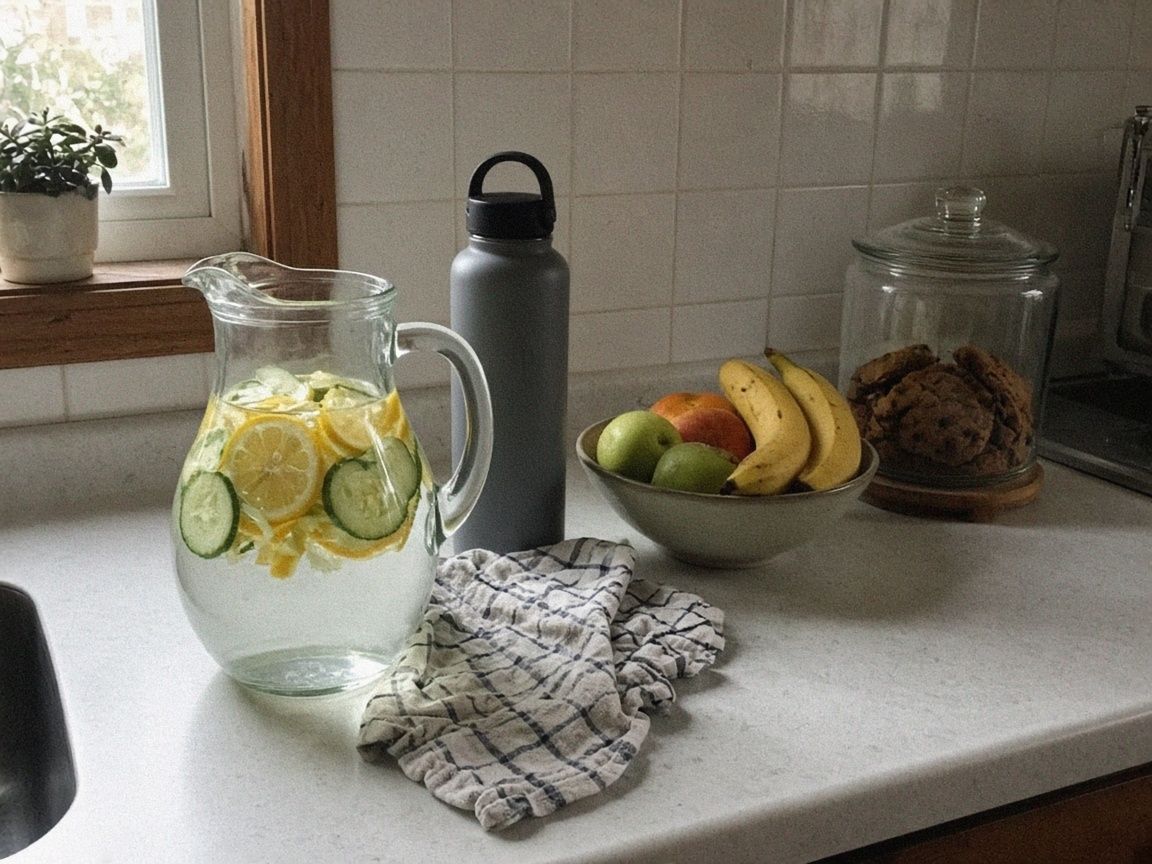
Tanya and I set up a plan that same Sunday night. It is very simple.
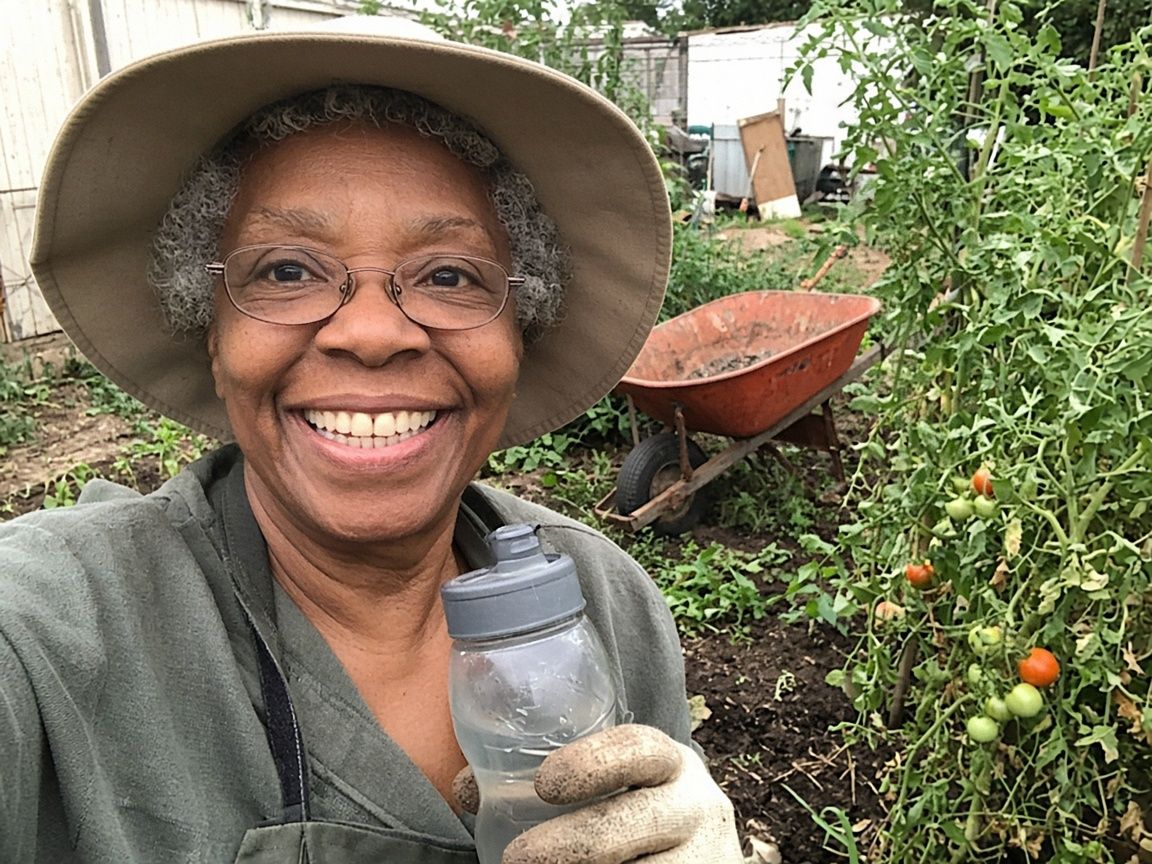
A pitcher on the counter. Every morning, I fill a big glass pitcher with water and put it right next to the coffee maker. I add a few slices of lemon or cucumber from the garden, because it makes it taste nice. My goal is to finish it by dinner time.A glass before the coffee. Before I pour my first cup of coffee, I drink one full glass of water. Every morning. No exceptions.A glass with every meal. Breakfast, lunch and supper each get a glass of water next to the plate.A bottle in the garden. I keep a water bottle in my garden bag. Every time I move to a new row, I take a few sips.Most of it before the evening. I drink most of my water earlier in the day, so I am not up all night going to the bathroom.The color check. Tanya taught me to look at the color of my urine. Pale yellow usually means you are doing fine. Dark yellow is a sign you probably need more water.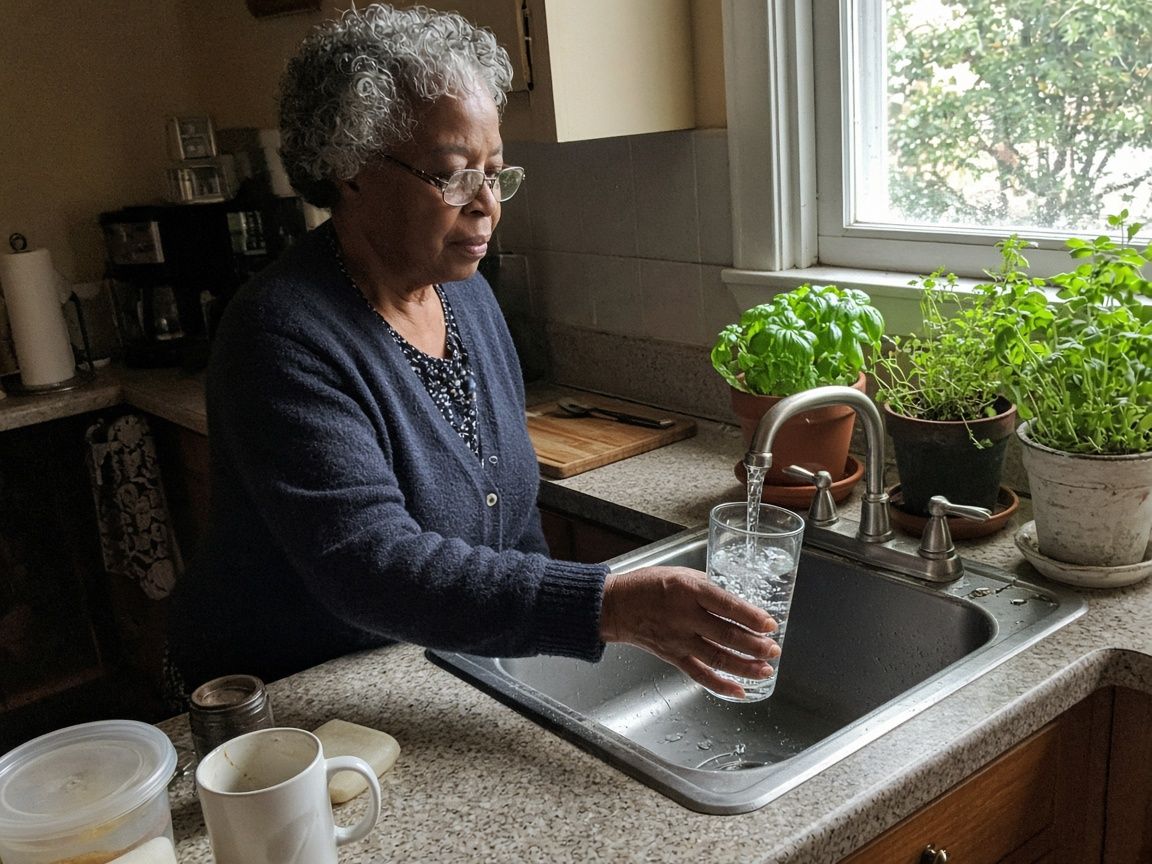
The difference I felt
I wish I could say it was overnight. It was not. But within the first week, I noticed my afternoons were different.
The 2 o'clock fog did not roll in the way it used to. That dull ache behind my eyes showed up less and less. I stopped needing the after-lunch coffee.
By the third week, I was going whole afternoons in the garden and coming inside with energy left over. I made it through a full choir practice without losing my place once.
Tanya came to visit again a month later. The first thing she did was look at the pitcher on the counter. It was empty by 4 p.m. She just smiled.
Questions readers asked Denise
How much water should I drink? Denise asked her doctor this at her next visit. Every person is different, so the best answer comes from your own doctor. Denise's plan is simple: one big pitcher a day, plus water with meals and in the garden.I don't like the taste of plain water. What can I do? Denise felt the same way. Lemon and cucumber slices changed it for her. Some readers use a few mint leaves, a slice of orange, or a handful of frozen berries. A cold glass also tastes better to most people than a warm one.Does food count? Some of it does. Fruits and vegetables like watermelon, cucumber, oranges and lettuce have a lot of water in them. Soup counts too. Denise still drinks her pitcher, but she eats more from the garden now as well.What if I have to go to the bathroom all the time? At first, Denise did go more often. After about a week, it settled down. Drinking most of her water before supper also meant she was not up at night.I always forget. Any tricks? Keep water where your eyes land. Denise has the pitcher by the coffee maker, a glass by her reading chair, and a bottle in her car. If she can see it, she drinks it.What other readers told us
“I never felt thirsty, so I never drank. A glass of water before my coffee is now the first thing I do every day.”
— Gloria, Alabama
“The pitcher on the counter is genius. If I can see it, I drink it. If it's in the fridge, I forget it exists.”
— Patricia, Texas
“My husband had the same afternoon headaches. We both started the morning glass. He finally believes me now.”
— Linda, South Carolina
Denise's daily water plan, in one place
- Do not wait for thirst. After 50, your thirst alarm gets quieter. Drink on a schedule.
- Fill a pitcher every morning and keep it where you can see it.
- One glass before your first coffee.
- One glass with every meal.
- Carry a bottle when you are outside, in the heat, or busy.
- Front-load your day so you are not up at night.
- Check the color. Pale yellow is a good sign.
It is just water. It is probably sitting in your kitchen right now.
Join our free newsletter for simple, real-life tips for energy and healthy aging. One short email a week.
Free. One short email a week. Unsubscribe any time.