
My Afternoon Crash Was Ruining My Days Until I Tried This 10-Minute After-Dinner Habit
Carol, 64, used to fall asleep on the couch every night after supper. A small change she learned from her husband's walking buddy made her evenings feel new again.
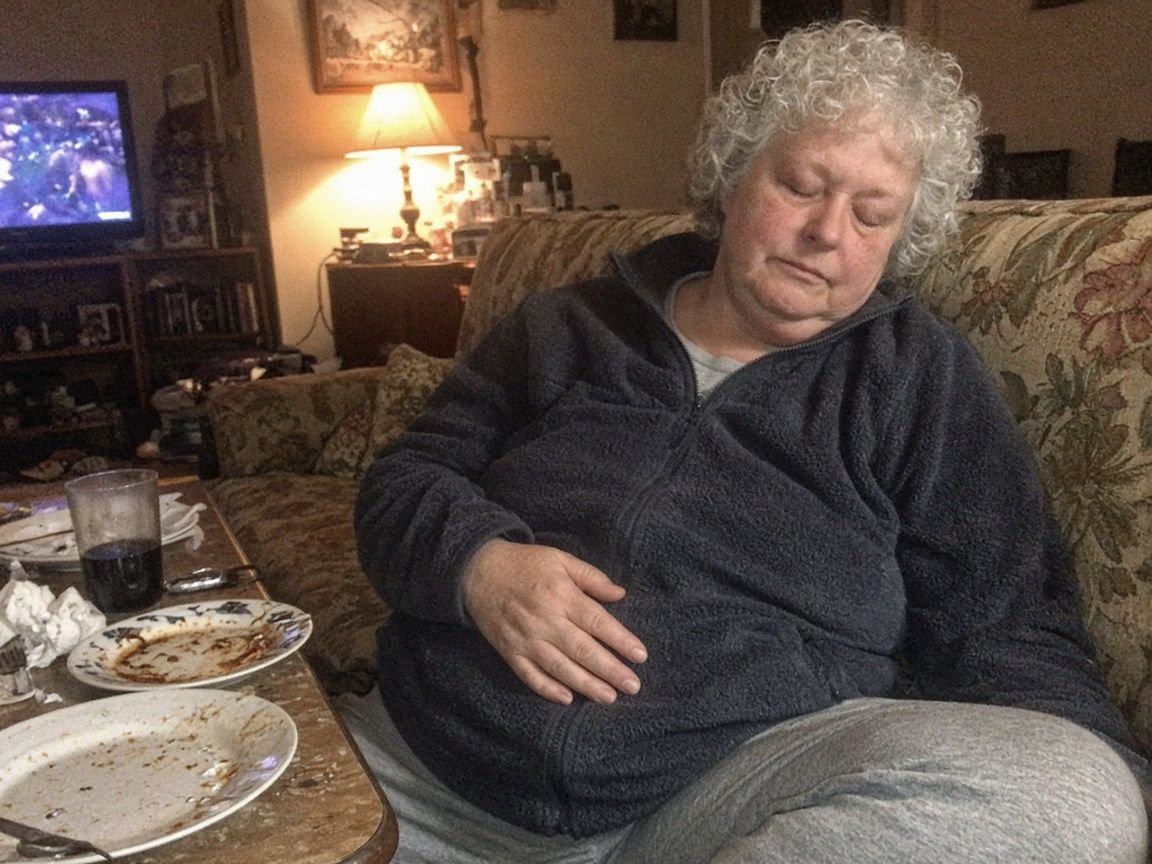
Every night, it was the same. Supper at 6. Dishes in the sink. And by 6:45, I was on the couch with my eyes closing.
My name is Carol. I am 64, a retired school secretary from Allentown, Pennsylvania. I have two grown kids, three grandkids, and a husband named Bill who can talk to anyone about anything.
For a long time, I thought that heavy, sleepy feeling after meals was just part of my age. It turns out it was telling me something. And the fix was so simple I almost did not try it.
I felt like a sack of potatoes after every meal
It started a few years after I retired. Lunch would leave me foggy by 2 p.m. Supper would put me flat on the couch.
I would sit down "just for a minute" and wake up an hour later with a stiff neck and the TV still going. Then I could not fall asleep at bedtime, so I was tired the next day, and the whole thing started over.
I also noticed I was craving sweets after dinner. Not a little. A lot. I would finish a full plate of pasta and still go looking for cookies.
At my last checkup, my doctor mentioned that my blood sugar numbers were creeping up and told me to keep an eye on it. That scared me. My mother had type 2 diabetes, and I watched her struggle with it for years.
Bill's walking buddy asked a funny question
Bill walks every morning with a man from church named Frank. Frank is 70 and moves like he is 50. He spent his career working with patients in a hospital rehab unit.
One Sunday, Frank came over for supper. After we ate, I headed straight for the couch, like always. Frank stood up and said, 'Who is coming for a walk around the block?'
I laughed and said I was too full. Frank smiled and said, 'That is exactly why you should come.'
I did not go that night. But I asked him about it later, and what he told me changed how I think about every meal.
Where the sugar from your meal really goes
Here is how Frank explained it. I wrote it down so I would not forget.
When you eat, especially bread, pasta, rice, potatoes or sweets, your body breaks that food down into sugar. That sugar goes into your blood.
Your body wants to move that sugar out of the blood and into your cells, where it can be used for energy. Normally, it does this with the help of a hormone called insulin.
But here is the part I never knew: your muscles can pull sugar out of your blood on their own when they are working. When you move your legs, the muscles need fuel, and they take sugar right out of your bloodstream to get it.
Your leg muscles are some of the biggest muscles in your body. So when you walk, they become big users of that sugar.
Now think about what I was doing. I ate a big plate of pasta, then sat perfectly still. My muscles were not asking for anything. The sugar from my meal stayed in my blood longer, and my body had to work harder to deal with it.
Frank said that big rise and fall of blood sugar after a meal is one reason many people feel sleepy, foggy and hungry for sweets afterward.
'You do not need to run a marathon,' he said. 'You just need to give those leg muscles a job for a few minutes after you eat.'
Join our free weekly newsletter. Real-life tips for blood sugar, energy and staying active after 50.
Free. One short email a week. Unsubscribe any time.So I tried 10 minutes. Just 10.
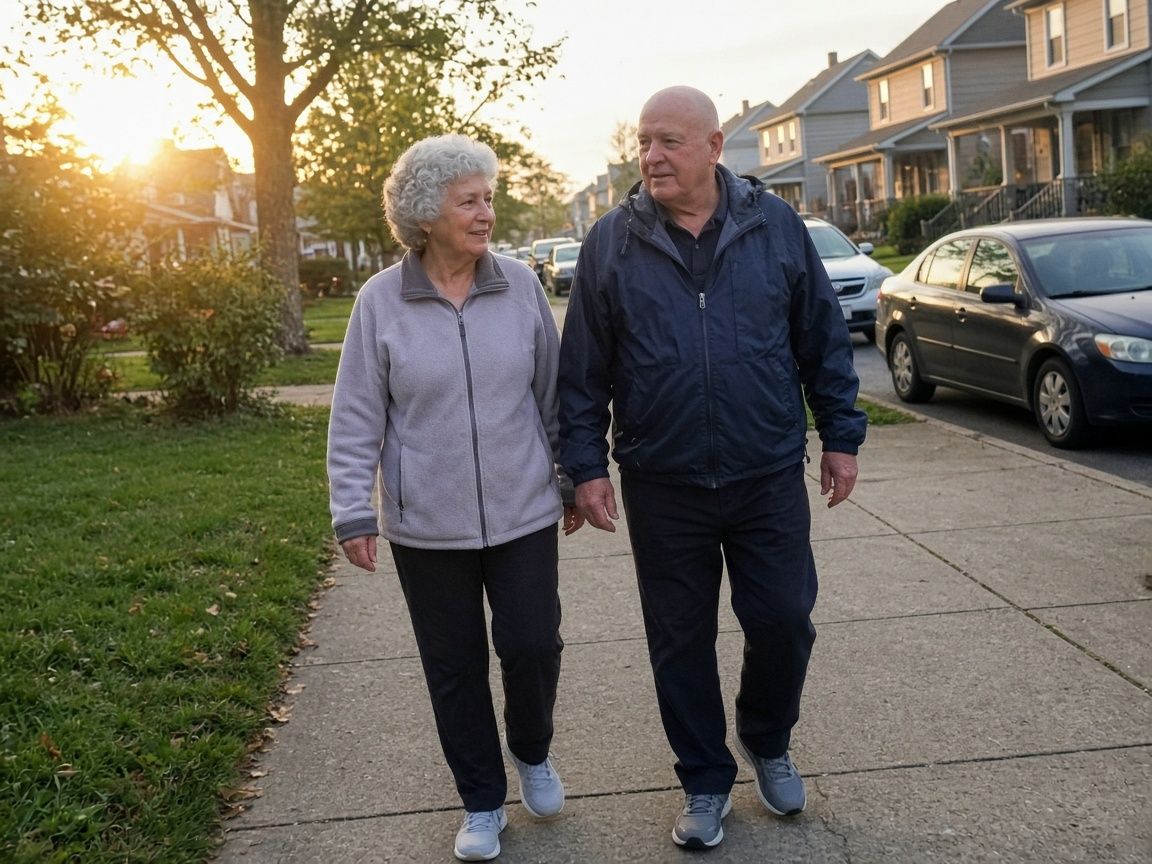
The next night, after supper, I put on my sneakers before I could talk myself out of it. Bill and I walked to the end of our street and back. It took about 10 minutes.
It was not exercise. It was a stroll. We talked about the grandkids. We waved at the neighbors. I was home before the dishes would have been done.
Frank's rules were simple:
- Go within about 30 minutes after eating. That is when the sugar from the meal is rising in your blood.
- Ten minutes is enough to start. If you feel good, go longer. If not, ten is fine.
- Easy pace. You should be able to talk the whole time.
- Bad weather? Walk inside. Hallway laps, walking in place while the TV is on, or a few trips up and down the stairs all get your leg muscles working.
The shoes by the back door
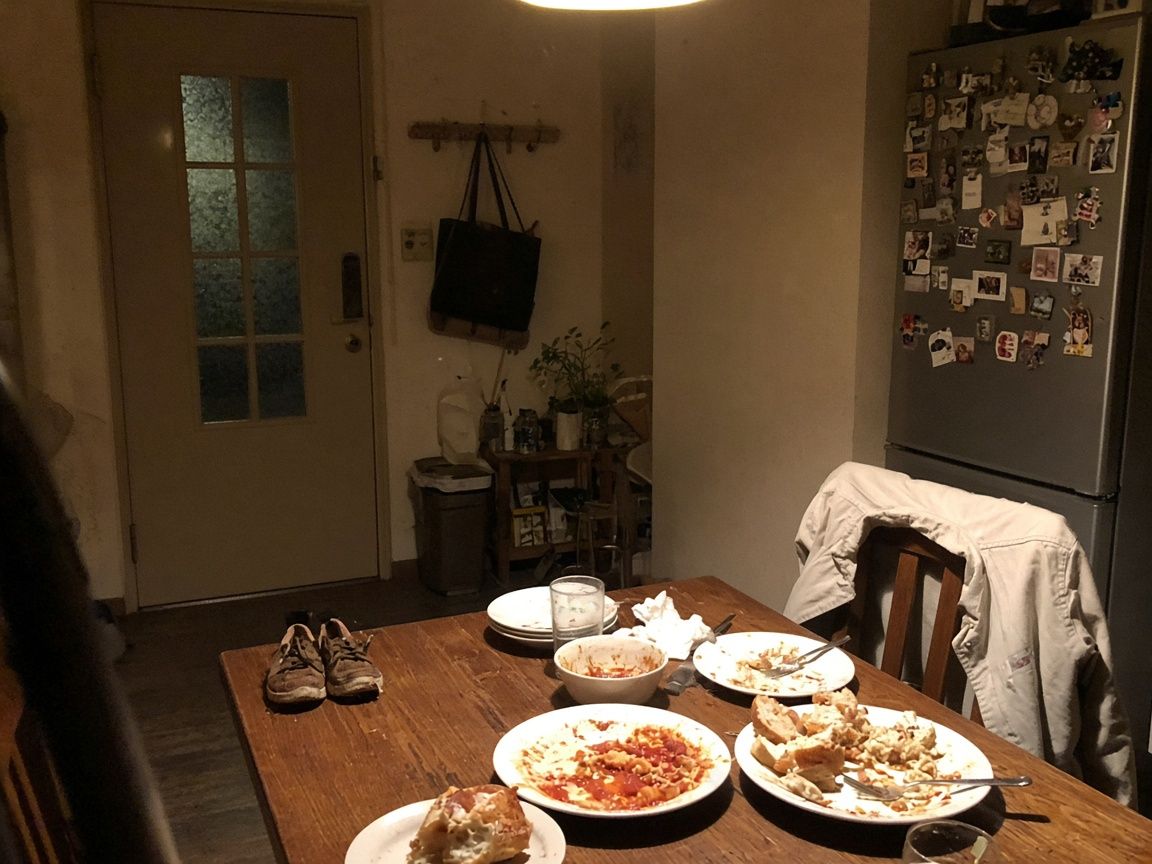
The hardest part was not the walking. It was getting up from the table.
So I made it easy. I keep my old sneakers right by the back door and my jacket on the back of my chair. When the last fork goes down, I am already halfway out.
Bill started calling it our 'dessert walk.' Some nights the grandkids come. Some nights it is just me and the neighbor's dog, who now waits by his fence for us.
What I noticed after a few weeks
The first thing I noticed was the couch. I was not falling asleep on it anymore. After the walk, I felt awake, but calm. I could read, call my daughter, or work on a puzzle.
The second thing was the sweets. I still have dessert sometimes. But that strong pull to the cookie jar after supper got a lot weaker.
Third, I started sleeping better at night, probably because I was not napping on the couch at 7.
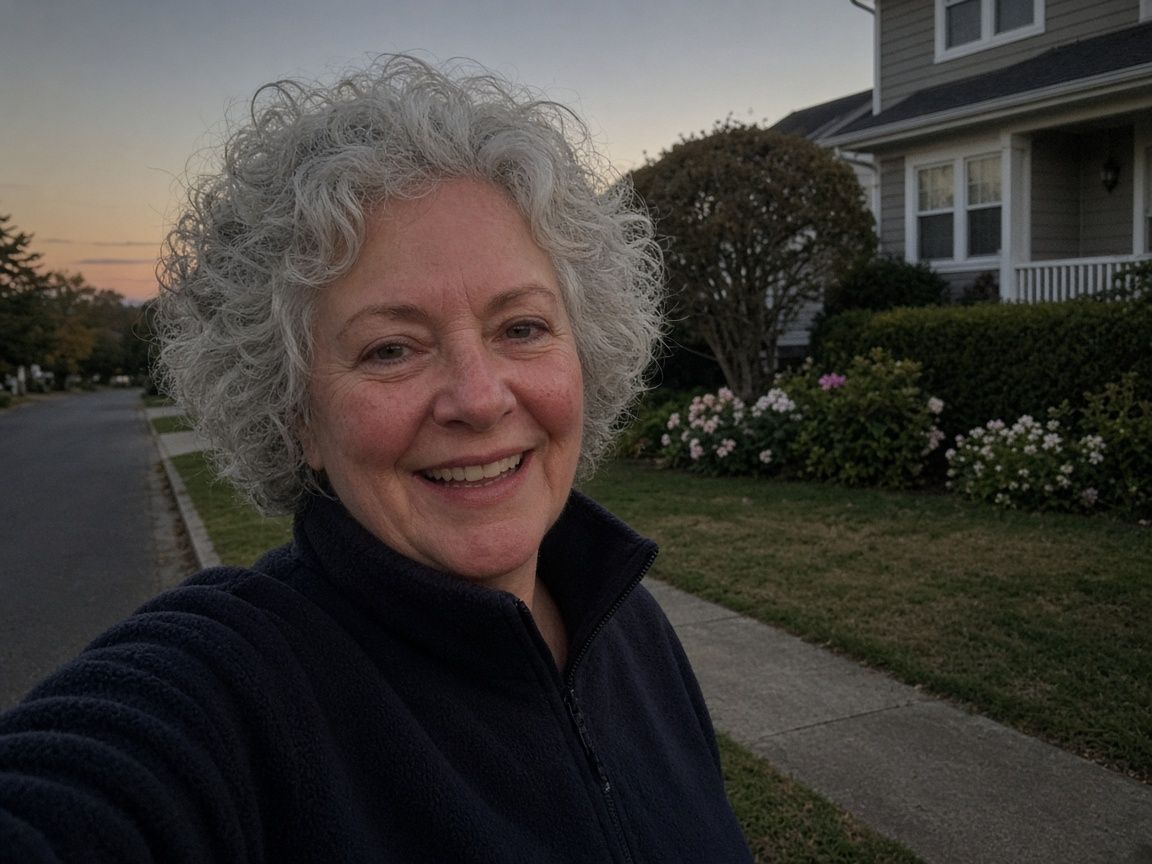
Questions readers asked Carol
Do I have to walk after every meal? No. Carol started with supper, because that was her biggest meal and her worst slump. Later she added lunch when she could. Start with one meal and build from there.What if I am too full to move? That is the feeling Carol had too. She says the first two or three minutes are the hardest. After that, her stomach felt lighter, not heavier. Go slow. It is a stroll, not a race.Is it okay to walk in the dark? In the winter, Carol and Bill wear light-colored jackets and carry a small flashlight. On icy nights they do laps inside the house instead, from the kitchen to the front door and back. It looks silly. It works.What if I live alone? Carol's sister lives by herself in Scranton. She calls Carol on speakerphone and they walk 'together' in two different towns. Some nights she listens to an old radio show instead. Anything that makes the 10 minutes go by is fine.Will this replace my medicine? No. Carol is very clear about this. The walk is a daily habit she added on top of her doctor's plan. She never stopped or changed anything her doctor gave her.I started doing it after lunch too, when I can. Just a lap around the block or a walk to the mailbox and back the long way.
At my next checkup, I told my doctor about it. She said it was a great habit and to keep going. She also reminded me that it works alongside the other things we talked about, not instead of them. I am still following her advice and taking what she prescribed.
What other readers told us
“I started walking the dog after dinner instead of before. Such a small switch, but I don't get that 8 p.m. slump anymore.”
— Janet, Ohio
“My wife and I call it our after-supper loop. It's the best part of our day now, honestly.”
— Dale, Iowa
“I can't walk far because of my knees, so I march in place during the first part of the news. It still gets me off the couch.”
— Barbara, Tennessee
Carol's 10-minute after-meal habit, in one place
- Walk within about 30 minutes after your biggest meal.
- Start with 10 minutes at an easy, talking pace.
- Keep your shoes by the door so getting up is easy.
- Bring someone along to make it a habit you look forward to.
- Bad weather or sore knees? Walk the hallway or march in place.
- Keep following your doctor's plan. This habit works alongside it.
Ten minutes. No gym. No equipment. Just your own two legs and the sidewalk outside your door.
Join our free newsletter for simple, real-life tips for steady energy and healthy aging. One short email a week.
Free. One short email a week. Unsubscribe any time.