
I Was Up at 3 A.M. Every Night Until I Changed One Hour of My Evening
At 61, Linda thought broken sleep was just part of getting older. Then she learned what her evenings were doing to her body clock.
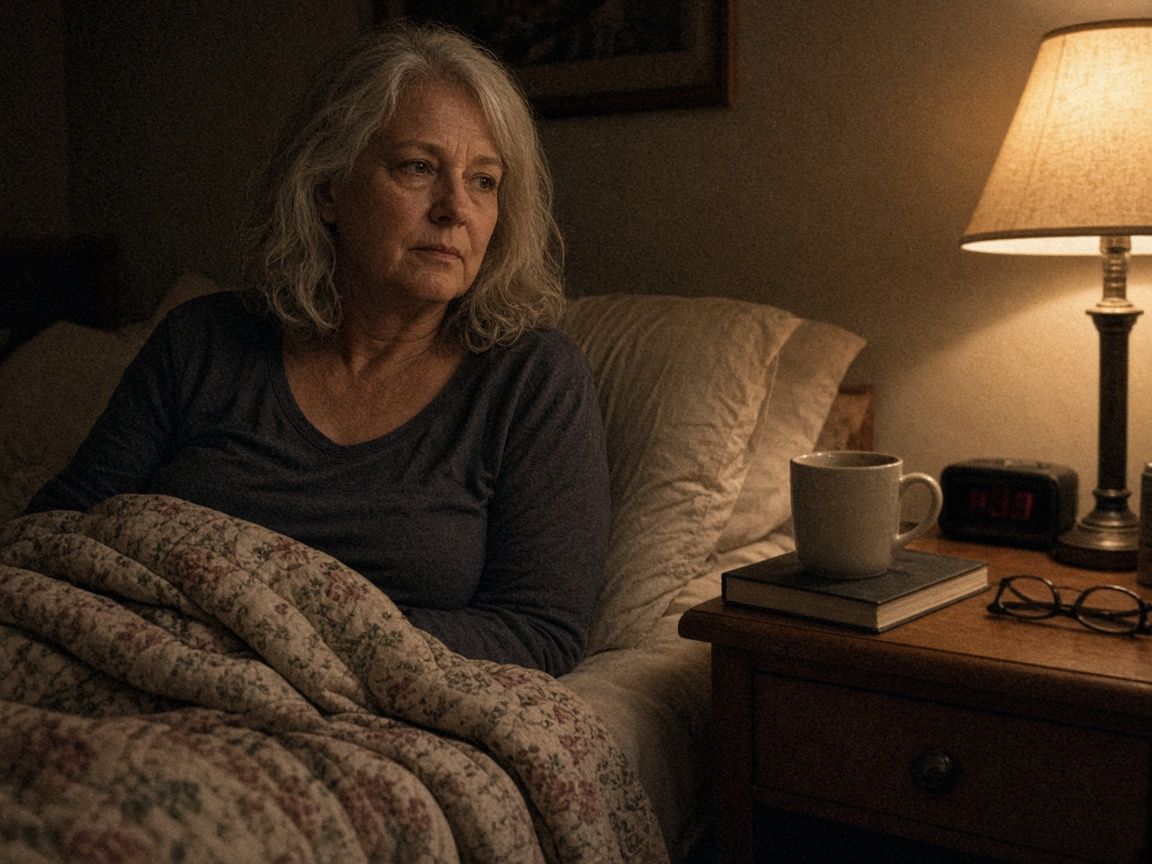
The clock on my nightstand said 3:07. Again.
I knew that number well. For almost two years, I woke up at about the same time every night. My eyes would open. My mind would start running. And I would lie there in the dark until the birds started up outside.
My name is Linda. I am 61. I live in a small house outside Columbus, Ohio, with my husband, Gary, and a cat who thinks she owns the place.
I want to tell you what finally changed for me. It was not a pill. It was not a gadget. It was one hour of my evening, and it cost me nothing.
The nights kept getting worse
It did not start all at once. At first, I just took a little longer to fall asleep. Then I started waking up to use the bathroom. Then I started waking up for no reason at all.
By the second year, it was every night. I would fall asleep in front of the TV at 9:30. Gary would nudge me to go to bed. I would brush my teeth, scroll my phone for a bit, and turn off the light. Then, like clockwork, I was awake at 3.
The days were the worst part. I felt heavy. I forgot words in the middle of a sentence. I snapped at Gary over nothing. I drank coffee all afternoon just to stay upright, and I cancelled lunch with my sister more than once because I was too tired to drive.
I told myself this was just what 60 looks like. Everyone my age complains about sleep, right?
Something my neighbor said stuck with me
One morning, my neighbor Pat saw me getting the mail in my robe at 10 a.m. I must have looked rough, because she asked if I was okay.
I told her about the 3 a.m. wake-ups. She nodded like she had heard it a hundred times. Pat spent most of her working life in a sleep clinic, helping people who could not rest.
She asked me one question I did not expect: 'What does your last hour before bed look like?'
I told her. Bright kitchen lights. Dinner at 8. A glass of wine. The news. My phone in bed. Worrying about bills while I brushed my teeth.
She laughed a little. 'Linda,' she said, 'you are telling your body it is the middle of the afternoon. Then you are surprised it wakes you up.'
Get our free weekly tips on sleep, energy and feeling like yourself again after 50.
Free. One short email a week. Unsubscribe any time.The real reason you wake up at night
Here is what Pat explained to me. I am going to say it the way she said it, because it was the first time it made sense.
Your body has a clock inside it. It runs on a 24-hour loop. This clock decides when you feel awake and when you feel sleepy.
The clock does not know what time it is. It guesses. And it guesses mostly from light.
When your eyes see bright light, your body thinks it is daytime. It holds back the signal that says 'time to sleep.' When the light goes dim, the body lets that signal rise. You start to feel heavy and calm.
As we get older, Pat said, this clock gets weaker and easier to confuse. The sleepy signal comes in softer than it used to. So the same bright lights and late meals that did not bother you at 35 can throw you off badly at 60.
So when I sat under bright kitchen lights at 9 p.m., then stared at a phone in bed, my clock got mixed messages. It never got the clear 'night' signal. My sleep was light and shallow. And at 3 a.m., when the sleepy signal faded, there was nothing holding me under.
That was it. Not age. Not bad luck. My evenings were sending the wrong message to my body clock.
What I changed, step by step
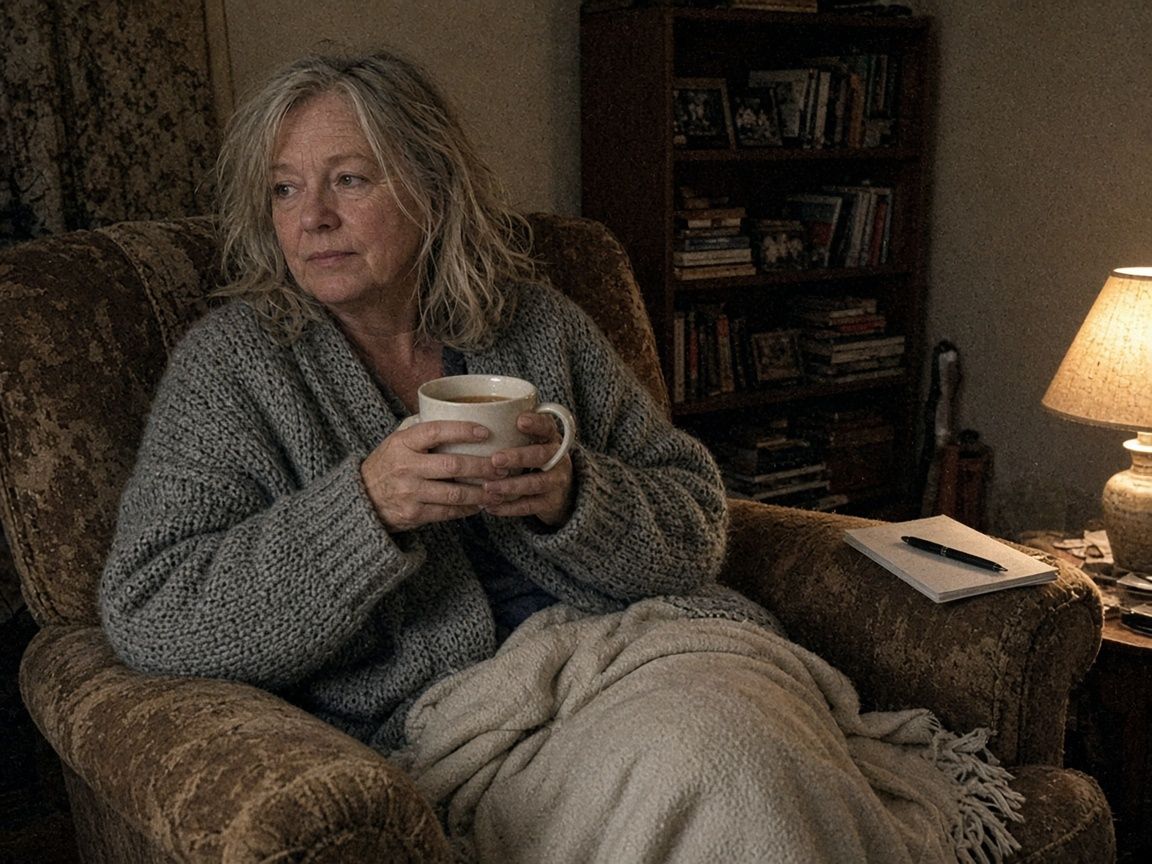
Pat did not give me a long list. She gave me one simple rule: treat the last hour before bed like a slow sunset. Everything gets dimmer, quieter and slower.
Here is exactly what I did.
1. I picked a wind-down time. I set a soft alarm on my phone for 9:30 p.m. When it goes off, my evening routine starts. Not my bedtime. My wind-down. I keep it within half an hour every night, even on weekends.2. I turned off the big lights. At 9:30, the overhead lights go off. We use two small lamps with warm bulbs. Gary grumbled for about two nights. Now he is the one who turns them off.3. I moved dinner earlier. We used to eat at 8. Now we eat by 6:30. If I get hungry later, I have a small handful of nuts or a bit of plain yogurt.4. I swapped the wine for tea. I used to think the wine helped me sleep. Pat told me alcohol can make you drowsy first and then make sleep lighter later in the night. I still have wine sometimes, but not on most nights. A warm cup of caffeine-free herbal tea is now my signal that the day is done.5. I stopped coffee after noon. This one hurt. But coffee in the afternoon can still be in your body at bedtime.The notepad trick that quieted my mind
This was the part I did not believe would work. It might be the part that helped the most.
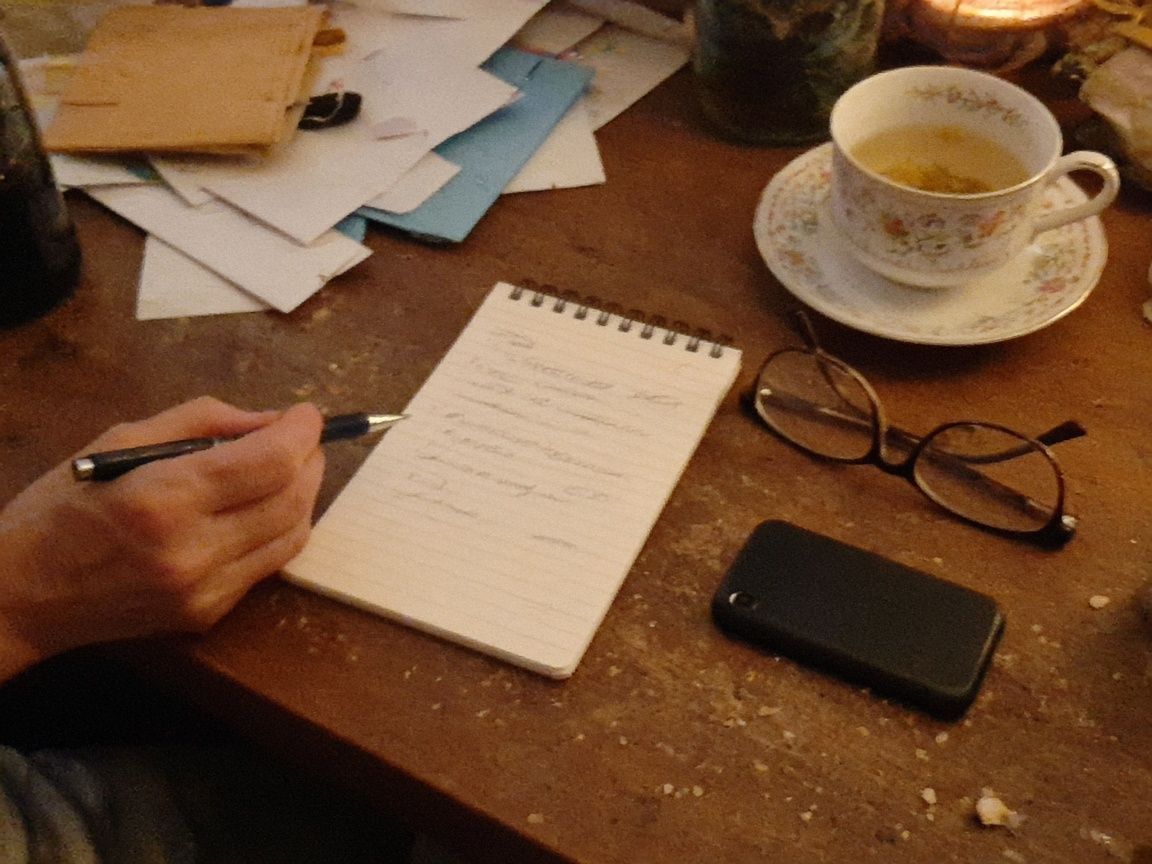
Pat told me to keep a small notepad on the kitchen table. Every night, before I go into the bedroom, I sit down for five minutes and write two things.
First, my list for tomorrow. Groceries, phone calls, the bill that is due.
Second, anything that is bugging me. My son's job. The leak under the sink. Whatever is buzzing in my head.
Then I close the notepad and leave it on the table. Pat said, 'Your brain stops holding on to things once it knows they are written down somewhere safe.'
The first night, I felt a little silly. By the end of the week, I noticed something. When I woke up at night, my mind did not start racing. The list was in the kitchen. It could wait.
The phone had to leave the bedroom
I fought this one the longest. My phone was my alarm, my flashlight and my late-night news.
But that bright screen, a few inches from my face, was the strongest 'daytime' signal of all. So I bought a cheap alarm clock and put my phone on the charger in the hallway.
If I wake up now, I do not check it. I just roll over.
What happened after a few weeks
I did not sleep perfectly the first night. Or the second. Pat warned me it might take a couple of weeks for my body clock to learn the new pattern.
But around the end of the second week, I noticed I was getting sleepy at 10 without the TV putting me out. I was falling asleep faster. And one morning I opened my eyes, looked at the clock, and it said 6:15.
I had slept through. I almost cried.
It does not happen every single night. I still wake up sometimes. But now it is the exception, not the rule. And when I do wake up, I usually drift back off.

The days are different now. I have energy in the morning. I made it to lunch with my sister three weeks in a row. Gary says I am 'back to my old self,' which I am choosing to take as a compliment.
What other readers told us
When we shared Linda's story with our readers, many wrote in with their own evening habits.
“I did the lamps-only thing and my husband thought I was crazy. Two weeks later he asked why he was sleeping better too.”
— Sharon, Indiana
“The notepad on the kitchen table changed everything for me. I used to lie there making lists in my head until 2 a.m.”
— Deborah, North Carolina
“I moved dinner up by an hour and a half. I did not expect that to matter for sleep, but it did for me.”
— Ron, Missouri
Linda's simple evening routine, in one place
- Pick a wind-down time about an hour before you want to sleep, and keep it the same every night.
- Dim the lights. Lamps only, warm bulbs, no overhead lights.
- Finish dinner early, two to three hours before bed.
- Make noon your coffee cut-off and go easy on evening alcohol.
- Write tomorrow down on a notepad you leave outside the bedroom.
- Phone out of the bedroom. A cheap alarm clock does the job.
- Give it two weeks. Your body clock needs time to learn the new pattern.
None of this is fancy. That is the point. You can start tonight, with the lamps you already own.
Join our free newsletter for simple, real-life habits for sleep, energy and healthy aging. One short email a week.
Free. One short email a week. Unsubscribe any time.